


Damaged, stained or loose tiles can make even a well-maintained property look tired. Whether you have cracked tiles in your kitchen, worn flooring in a traditional hallway or damaged tiles in a commercial space, the right restoration work can help bring the surface back to life without the cost and disruption of unnecessary replacement.
But how do you know which specialist to trust?
Searching for tile restoration near me is a good starting point, but choosing the right contractor involves more than finding someone nearby. You need to understand their experience, the restoration methods they use, the quality of their previous work and whether they can handle your particular type of tiles.
At Were Tiling, we understand that every tiling project has different requirements. Serving customers in Glasgow, Edinburgh and Newcastle, we believe that informed decisions lead to better results. In this guide, we explain what to look for when comparing tile restoration specialists, which questions to ask and how to find a service that suits your property and budget.
What Does a Tile Restoration Specialist Do?
A tile restoration specialist repairs and improves existing tiled surfaces, helping preserve their appearance and functionality. Unlike a straightforward tile installation, restoration focuses on working with the tiles already in place wherever practical.
Depending on the condition of the surface, tile restoration services may include:
- Tile repair: Addressing cracked, chipped, loose or damaged tiles.
- Tile and grout cleaning: Removing accumulated dirt and surface deposits.
- Grout repair and replacement: Repairing deteriorated joints between tiles.
- Regrouting: Replacing damaged or missing grout to improve the finish and help protect the tiled surface.
- Tile replacement: Replacing individual tiles that cannot be repaired, where suitable replacements are available.
- Surface assessment: Identifying possible underlying problems, such as moisture ingress, movement or failing adhesive.
Not every tiling contractor offers every restoration service. Some specialise in installing new tiles, while others have experience repairing older surfaces, decorative tiles or natural stone.
Before making an enquiry, establish what your project involves. This will help you find a specialist with the right skills rather than paying for work that does not address the actual problem.
7 Things to Look for When Choosing a Tile Restoration Specialist Near You
Check their experience with your type of tiles
Tile materials differ in their durability, maintenance requirements and repair methods. Ceramic and porcelain tiles, for example, have different characteristics from natural stone, such as marble, limestone and travertine.
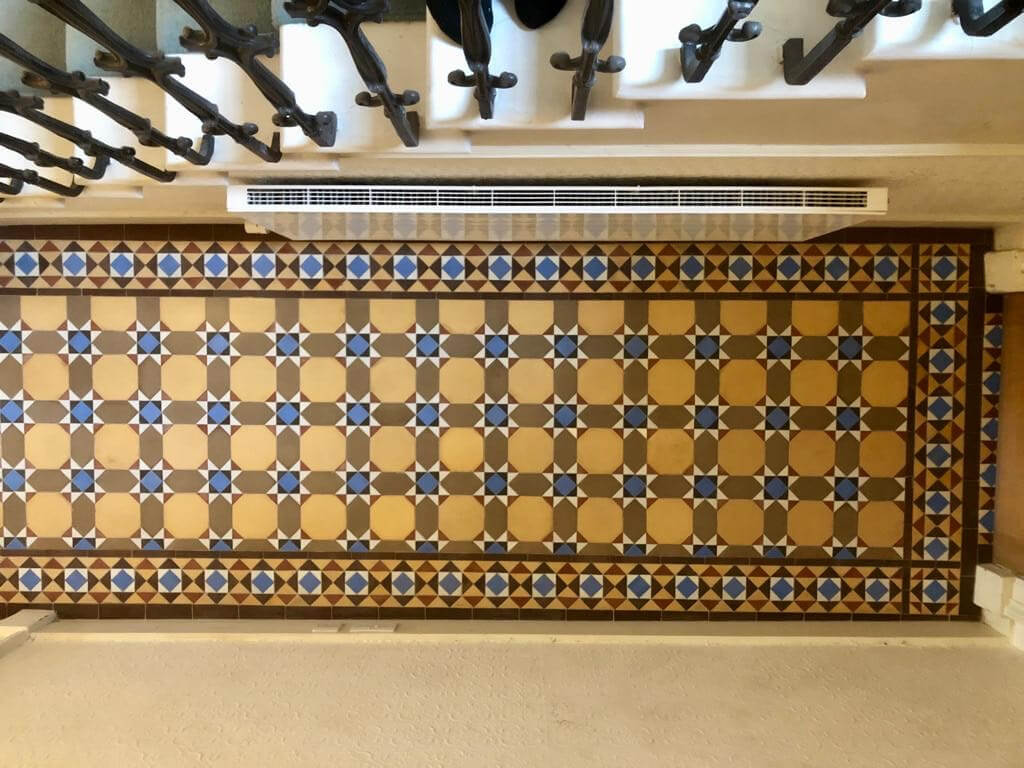
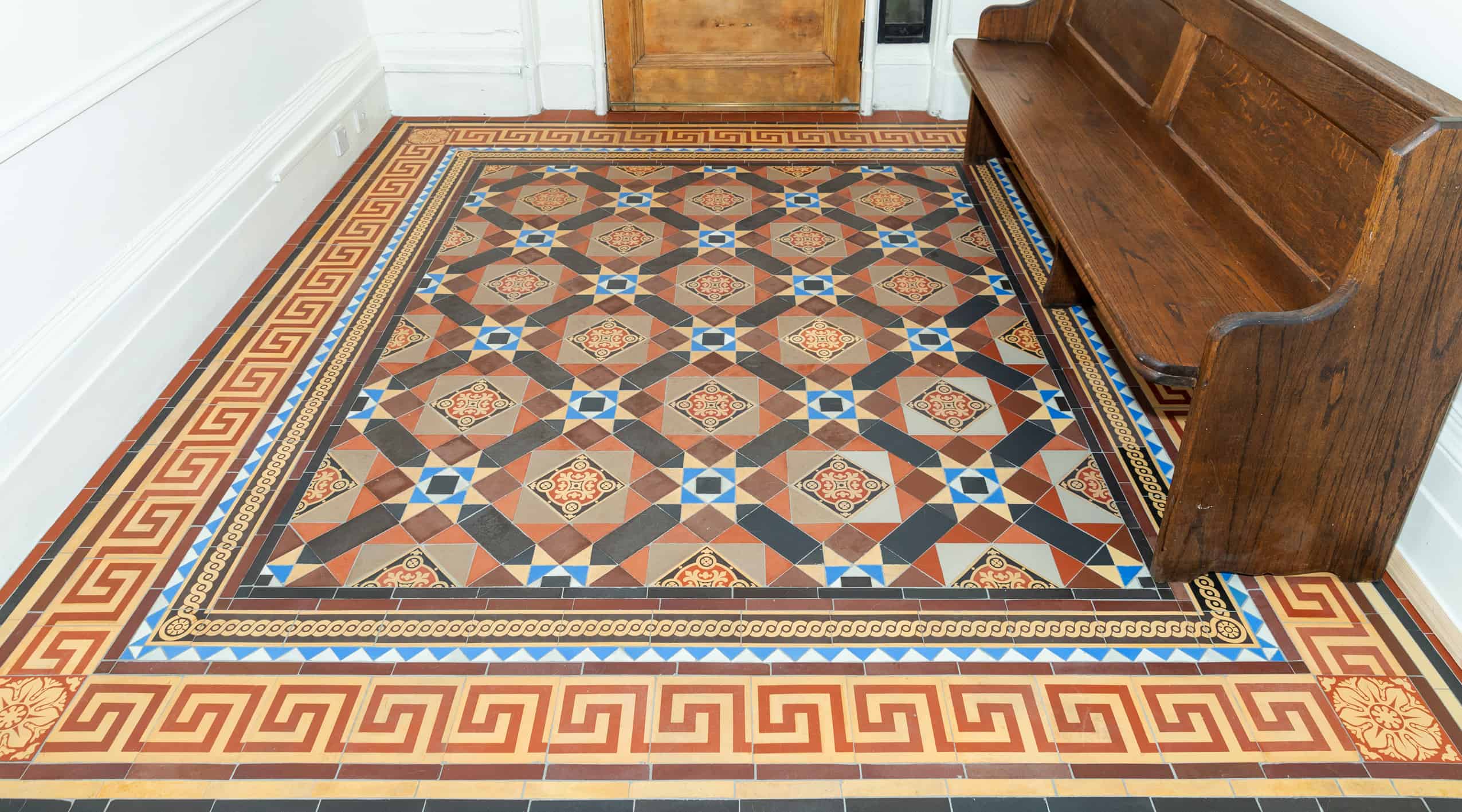
If you have a Victorian tiled floor or an intricate mosaic, you may also need someone who understands how to preserve its original pattern and character.
Ask potential contractors whether they have worked with your particular tile material and type of damage. A specialist who understands the surface is more likely to recommend appropriate cleaning products, repair materials and restoration techniques.
Tip: Describe your tiles when requesting a quote and share photographs if possible. This gives the contractor a clearer starting point.
Look at previous projects and photographs
A portfolio can tell you more about a contractor’s work than a list of services alone.
Look for examples that resemble your project. If you need bathroom tile restoration, for instance, check whether the contractor has experience repairing tiled walls, floors and grout in similar spaces.
Pay attention to the overall finish, the alignment of replacement tiles and how neatly the grout lines have been restored.
Before-and-after photographs can be particularly helpful, although they should show genuine projects rather than generic images.
If a contractor cannot provide examples of similar work, ask about their relevant experience before making a decision.
Read customer reviews carefully
Online reviews can help you understand how a tiling contractor communicates, manages projects and responds to problems.
Look beyond the overall star rating and read the comments themselves. Useful reviews often mention whether the contractor arrived on time, explained the work clearly, kept the property tidy and completed the job as agreed.
Check several sources where available, such as Google reviews and independent review platforms. Look for consistent feedback rather than relying on one particularly positive or negative comment.
It is also worth checking how the business responds to complaints. A professional response that addresses a concern constructively can tell you something about its approach to customer service.
Make sure the quote explains the work
A reliable tile restoration quote should clearly describe the proposed work and its expected cost.
Depending on your project, it may cover:
- Preparation and cleaning of the existing tiled surface.
- Repairs to loose, cracked or damaged tiles.
- Grout removal, repair or replacement.
- Replacement tile and material costs.
- Labour, waste removal and any agreed additional work.
- The estimated timeframe and payment terms.
Compare quotes on a like-for-like basis. One contractor may propose repairing the existing tiles, while another may recommend removing and replacing a larger section. These approaches are not directly comparable.
Ask questions if anything is unclear, particularly if the quote excludes substrate repairs or other work that might be necessary once the tiles are lifted.
The cheapest option is not always the best value. A well-explained plan that addresses the cause of the damage may help prevent repeat repairs.
Ask how they will approach the restoration
Before agreeing to the work, ask the specialist to explain their proposed restoration process.
For example, if tiles are loose, will they investigate why the adhesive or bedding has failed? If the grout is deteriorating, will they check for signs of moisture or movement?
A competent contractor should explain what they can establish during an initial inspection, what remains uncertain and whether further investigation might be necessary.
Be cautious of anyone who promises a perfect finish without examining the surface or understanding the underlying problem. Some stains, chips and signs of wear cannot be removed completely, and a responsible specialist will set realistic expectations.
Check insurance, credentials and guarantees
Ask whether the contractor has appropriate public liability insurance and whether any relevant qualifications or trade memberships apply to the work.
Membership of a trade organisation can provide an additional point of reference, but it should not replace checking experience, reviews and previous projects.
You should also clarify whether the work comes with a workmanship guarantee. If it does, ask what it covers, how long it lasts and whether there are any exclusions.
A clear agreement gives both parties a better understanding of their responsibilities if something goes wrong.
Choose someone who communicates clearly
Good communication is important from the first enquiry to the final inspection.
A reliable specialist should respond to your questions, explain the recommended approach and let you know if the scope or expected cost changes.
They should also be clear about access requirements, preparation, disruption and the expected completion date.
If you feel rushed into making a decision or struggle to get straightforward answers before work begins, consider comparing other contractors.
What Questions Should You Ask Before Booking Tile Restoration?
Before choosing a contractor, use these questions to compare your options.
- Have you restored tiles similar to mine before?
- Can I see photographs or examples of comparable projects?
- What is causing the damage, and how will you investigate it?
- Can the existing tiles be repaired, or will some need replacing?
- What materials and cleaning methods will you use?
- Does the quote include labour, materials and waste removal?
- How long is the work expected to take?
- Is the work covered by a guarantee?
- Are there any additional costs I should know about?
You do not need to know the technical details yourself. The purpose of these questions is to understand the proposed work and decide whether the contractor inspires confidence.
How Much Does Tile Restoration Cost?
The cost of tile restoration depends on the size of the area, the type of tiles and the extent of the damage. There is no single price that applies to every project.
The main factors affecting the cost include:
- Size of the area: A small repair involving a few loose tiles will usually require less labour than restoring an entire floor.
- Condition of the tiles: Extensive cracking, missing sections or damaged grout can increase the time and materials required.
- Tile material: Natural stone, decorative mosaics and older tiles may require specific cleaning products, repair materials or handling methods.
- Underlying problems: If the substrate has deteriorated or moisture is contributing to the damage, additional investigation and repairs may be necessary.
- Replacement materials: Finding tiles that match the original size, colour and finish can affect both availability and cost.
For an accurate estimate, arrange an assessment and provide clear photographs, measurements and details of the problem. If the contractor cannot confirm the full scope until work begins, ask how any additional costs will be agreed.
Should You Restore or Replace Your Tiles?
Restoration is often worth considering when the existing tiles are largely intact, and the damage is localised. Repairing individual tiles or replacing deteriorated grout may improve the appearance without removing the entire surface.
Replacement may be more appropriate if the tiles are extensively damaged, the substrate has failed, or the existing surface no longer meets your practical requirements.
Historic or decorative tiles deserve particular consideration because their patterns and materials may be difficult to reproduce accurately.
The decision should be based on the condition of the tiles, the cause of the damage, the likely cost and your desired finish. A professional assessment can help you understand the available options before committing to a larger project.
Finding Tile Restoration Services in Glasgow, Edinburgh and Newcastle
When searching for a tile restoration specialist near you, consider both proximity and suitability. A local contractor may be convenient, but relevant experience, clear pricing and the quality of previous work are just as important.
If your property is in Glasgow, Edinburgh or Newcastle, Were Tiling can be a starting point for discussing your tiling requirements. Whether you are looking to repair damaged tiles, refresh a tired tiled surface or explore options for a larger project, explain what needs attention and ask about the services available for your specific requirements.
Before booking any contractor, confirm that they cover your area and can undertake the type of restoration you need.
Ready to Discuss Your Tile Restoration Project?
Finding the right specialist can make the difference between a short-term cosmetic fix and a repair that addresses the problem properly.
Take time to compare experience, ask the right questions and understand exactly what each quote includes. With the right approach, you can make a more informed decision about restoring your tiled surfaces and keeping them in good condition.
Looking for tile restoration near you in Glasgow, Edinburgh or Newcastle? Contact Were Tiling to discuss your project, ask about available services and request a quote. Tell us what needs attention, and take the first step towards a tiled finish you can feel confident about.

Frequently Asked Questions
- How do I find the best tile restoration specialist near me?
Compare contractors based on relevant experience, customer reviews, examples of previous work, transparent quotes and suitable insurance. Ask how they plan to address the damage and whether their proposed methods are appropriate for your tiles. - Can cracked or chipped tiles be restored?
Minor chips and certain types of damage may be repairable, depending on the material, location and severity. However, some tiles may need replacing. A specialist can assess the damage and explain the most practical options. - Is tile restoration cheaper than replacing tiles?
It can be, particularly when the existing tiles are in good condition and only a small area needs attention. However, extensive damage or underlying structural problems may make restoration more complex. Compare the full costs of repair and replacement before deciding. - How long does tile restoration take?
Small repairs may take only a few hours, while larger projects can require several days or longer. The timeframe depends on the area, the repair method, drying times and whether additional work is needed beneath the tiles. - Do I need to replace grout when restoring tiles?
Not always. If the grout is sound, cleaning may be sufficient. Where it is cracked, missing or deteriorating, localised grout repairs or full regrouting may be appropriate. The condition of the joints and any underlying moisture problems should be assessed first.